
Impact Measurement & Accountability
A Consulting Perspective
Impact measurement and accountability are central to nonprofit effectiveness, credibility, and sustainability. Funders, boards, and communities increasingly expect nonprofits to demonstrate not only what they do, but the difference their work makes. From a consulting perspective, impact measurement is not about collecting data for its own sake—it is about creating practical systems that help organizations understand their results, improve programs, and communicate value with clarity and confidence.
Many nonprofits struggle with impact measurement because it feels complex, resource-intensive, or disconnected from daily operations. Effective consulting support helps organizations design measurement and accountability practices that are realistic, mission-aligned, and useful for decision-making rather than compliance alone.
Understanding Impact Measurement in the Nonprofit Context
Impact measurement goes beyond counting activities or outputs. While outputs show what an organization delivers, impact focuses on the change that occurs as a result of those efforts.
Consultants help nonprofits distinguish between:
- Inputs: Resources invested, such as staff time and funding
- Activities: Programs, services, and interventions delivered
- Outputs: Quantifiable products of activities, such as number of clients served
- Outcomes: Short- and medium-term changes experienced by participants
- Impact: Long-term, meaningful change aligned with the mission
- Clarifying these distinctions helps nonprofits focus on what truly matters.
Aligning Impact Measurement with Mission & Strategy
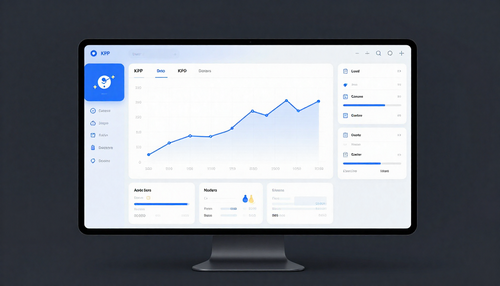
Impact measurement is most effective when it is directly connected to organizational mission and strategic priorities. Consultants work with nonprofits to ensure that measurement efforts reinforce purpose rather than distract from it.
This alignment process includes:
- Clarifying mission-driven outcomes
- Identifying strategic goals that require measurement
- Prioritizing what to measure based on importance and capacity
- Ensuring leadership and board alignment around impact expectations
When measurement aligns with strategy, it becomes a tool for focus and accountability.
Designing Practical Measurement Frameworks
One of the most valuable roles consultants play is helping nonprofits design measurement frameworks that are both meaningful and manageable.
Consultants assist organizations in:
- Developing logic models or theories of change
- Selecting outcome indicators that reflect real progress
- Balancing quantitative and qualitative data
- Ensuring data collection methods are feasible and ethical
- Avoiding over-measurement that drains staff capacity
A well-designed framework supports learning without overwhelming the organization.
Data Collection & Management Systems

Strong impact measurement depends on reliable data systems. Consultants help nonprofits assess and strengthen their data collection and management practices.
Key areas of support include:
- Selecting or improving data tracking tools
- Designing simple, consistent data collection processes
- Training staff on data entry and quality control
- Establishing data governance and privacy standards
- Integrating program data with reporting and evaluation needs
Effective systems reduce burden while increasing accuracy and usability.
Using Data for Learning & Improvement
Impact measurement is not just about reporting—it is about learning. Consultants help nonprofits shift from a compliance mindset to a learning-oriented culture.
This includes:
- Facilitating data review and reflection sessions
- Using findings to improve programs and services
- Identifying trends, gaps, and opportunities
- Supporting evidence-informed decision-making
- Encouraging experimentation and adaptation
When data is used thoughtfully, it strengthens both impact and innovation.
Accountability to Funders, Boards & Communities
Accountability is a core responsibility of nonprofit organizations. Consultants support nonprofits in building transparent and credible reporting practices that meet the needs of multiple stakeholders.
Consulting support helps organizations:
- Develop clear impact reports for funders and donors
- Align reporting with grant requirements without duplication
- Communicate results to boards in meaningful ways
- Share outcomes with communities served
- Balance honesty about challenges with accountability for progress
Strong accountability builds trust and long-term support.
Integrating Impact Measurement with Fundraising
Impact and fundraising are closely connected. Donors increasingly expect evidence of effectiveness, and strong impact data strengthens the case for support.
Consultants help nonprofits:
- Translate impact data into donor-friendly narratives
- Align outcomes with fundraising messaging
- Support grant writing with credible evidence
- Demonstrate return on investment without oversimplifying impact
When impact measurement supports fundraising, sustainability improves.
Building Organizational Capacity for Measurement
Sustainable impact measurement requires internal capacity. Consultants focus on building skills and confidence across the organization rather than creating dependence on external expertise.
Capacity-building efforts may include:
- Training staff and leadership on outcomes and evaluation
- Clarifying roles and responsibilities for measurement
- Embedding measurement into job descriptions and workflows
- Supporting leadership in modeling data-informed decision-making
This approach ensures measurement systems endure beyond the consulting engagement.
Addressing Common Challenges in Impact Measurement
Nonprofits often face recurring challenges when implementing impact measurement and accountability systems.
Consultants help organizations navigate issues such as:
- Limited staff time and resources
- Data fatigue or resistance from staff
- Difficulty measuring complex or long-term outcomes
- Pressure to report only positive results
- Misalignment between funder requirements and mission priorities
Thoughtful consulting helps nonprofits address these challenges realistically and ethically.
Evaluation, Learning & Continuous Improvement
Beyond routine measurement, consultants may support deeper evaluation efforts to assess effectiveness and inform long-term strategy.
This support can include:
- Program evaluations or outcome studies
- Periodic review of measurement frameworks
- Learning agendas tied to strategic priorities
- Incorporating evaluation findings into planning processes
Evaluation strengthens accountability while supporting organizational growth.
Creating a Culture of Accountability
True accountability goes beyond metrics—it is embedded in organizational culture. Consultants help nonprofits foster environments where accountability is shared, constructive, and mission-driven.
Culture-building efforts include:
- Normalizing honest discussion of results
- Encouraging learning from both success and failure
- Reinforcing ethical and transparent practices
- Aligning incentives with mission outcomes
A healthy accountability culture strengthens trust internally and externally.
Final Thought: Impact Measurement as a Tool for Mission Integrity
Impact measurement and accountability are not about proving worth—they are about improving effectiveness and honoring commitments to communities, funders, and mission. When guided by experienced consulting support, nonprofits can build measurement systems that are practical, meaningful, and sustainable.
By aligning measurement with mission, strengthening data systems, and using results for learning and accountability, nonprofits position themselves to demonstrate impact with confidence and continuously improve the difference they make in the world.